

Our Organising Team
-

Prof Trine Bilde
A Professor in Evolutionary Biology at Aarhus University, Trine works on ecology and adaptation in terrestrial invertebrates, mostly spiders, and on host-symbiont interactions and the role of microbial symbionts in mediating adaptive responses to the environment (she/her).
@TrineBilde / https://bio.au.dk/forskning/forskningscentre/centre-for-ecological-genetics/
-

Dr Xavier Harrison
Molecular ecologist from the University of Exeter. Xav is interested in how skin-associated microbial communities protect amphibians from disease, and the potential importance of the gut microbiome for nutritional health in birds. Happiest when chasing geese around Iceland (he/him).
-

Dr Sarah Knowles
Ecologist working on host-symbiont relationships at the University of Oxford. Sarah’s work aims to understand the processes that generate natural variation in the mammalian gut microbiome, and the physiological and fitness consequences this variation has for the host. She often uses wild rodents to address questions in this area (she/her).
-

Dr Aoife Leonard
Postdoctoral Research Associate at the University of Copenhagen. Aoife is an Evolutionary ecologist working with the Earth Hologenome Initiative to address questions about the interaction between gut microbiomes and ecological niches of wild vertebrate (she/her).
@aoifeleonard1
-

Dr Florent Mazel
Postdoctoral research at the University of Lausanne. Florent is mainly interested in documenting and understand the evolutionary roots of host specificity in mammalian gut microbiota (he/him).
-
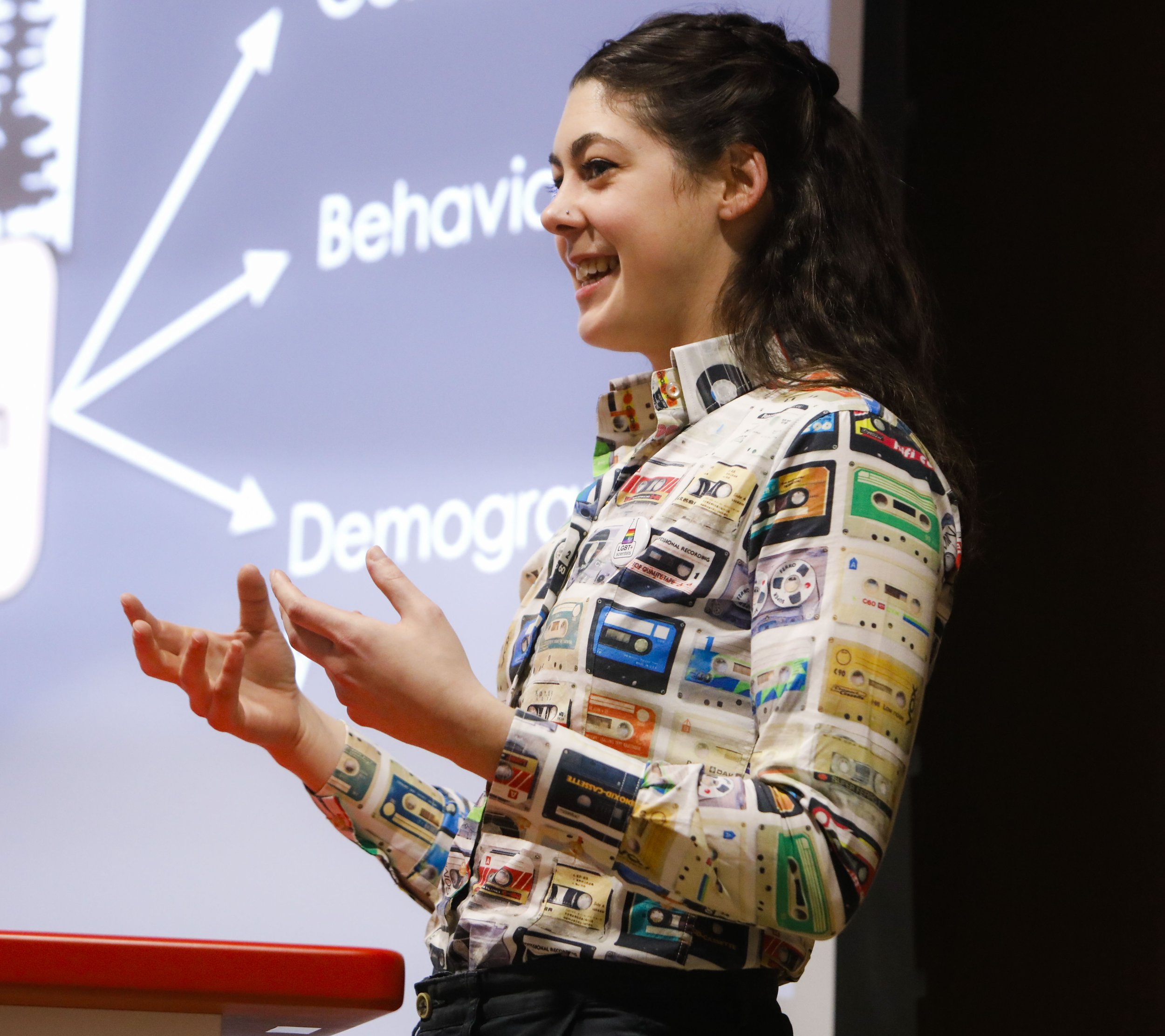
Dr Amy Sweeny
Postdoctoral research associate at the University of Edinburgh. Amy is a disease ecologist working with the Soay Sheep Ecology Within Project to investigate causes and consequences of gut microbiota community dynamics in wild mammals (she/they)
-

Prof David Richardson
An evolutionary and conservation ecologist at UEA. From a GM perspective David’s focuses on understanding the causes and consequences of GM variation within and among populations. Ongoing research focuses on how, at the landscape scale, anthropogenic and ecological factors determine GM variation, the role of the GM variation in fitness and ageing and, more recently, viruses in the wild animal GM
-

Dr Elin Videvall
Researcher in Animal Ecology at Uppsala University, Sweden. Elin is curious about multiple aspects of wildlife microbiomes, including the role of host genetics, effects of captivity/feralization, and their impact on host health and evolution. (she/her)
@elinvidevall.bsky.social / http://www.videvall.com/
-

Dr Sarah Worsley
Postdoctoral research associate at the University of East Anglia. Sarah is broadly interested in how microbes shape host evolution. She is currently using a long-term study on the Seychelles warbler to investigate how gut microbiome variation is linked to individual fitness and senescence in the wild (she/her).
-
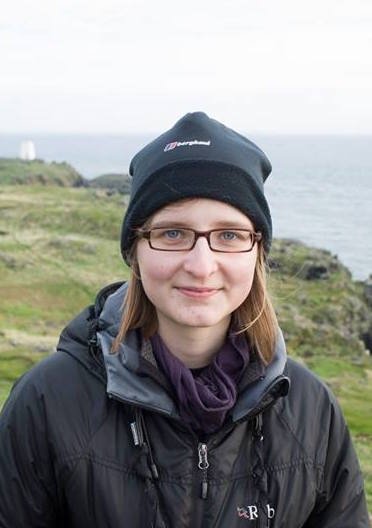
Dr Klara Wanelik
Postdoctoral researcher at the University of Oxford. Klara is a host-microbe ecologist, with a particular interest in the causes and consequences of individual variation in natural populations. Her previous work focussed on individual variation in the immune response in a wild rodent model system. Her current focus is on individual variation in the gut microbiome, again, in a wild rodent model system (she/her).